
Criminal Cases in Warren County Courts
Warren District Court hears misdemeanors, violations, traffic matters, city ordinance cases, and the first stages of felony prosecutions. A felony may first appear under an “F” case type while District Court handles a preliminary hearing. After a grand jury indictment, the prosecution proceeds in Warren Circuit Court as a “CR” case. Both courts belong to Kentucky's unified judiciary. Bowling Green, Smiths Grove, and Plum Springs do not maintain separate municipal criminal dockets.
The Office of Circuit Court Clerk keeps both District and Circuit Court records at the Warren County Justice Center. That office, not the Warren County Clerk at the county courthouse, is the source for local criminal pleadings, docket sheets, orders, judgments, and certified copies. Warren County is both the 8th Judicial Circuit and 8th Judicial District, so the court level and case type are vital when two records concern the same defendant or event.
Warren County Criminal Records Desk
The Justice Center brings the clerk, District and Circuit courtrooms, the Commonwealth's Attorney, and the local public defender office into one building. This concentration helps explain why a court file can include papers from several actors while one clerk remains its custodian. Use the suite number for the clerk rather than asking the County Clerk for a legal docket.
Office of Circuit Court Clerk
1001 Center Street, Suite 102
Bowling Green, KY 42101
270-746-7400
Monday through Friday, 8:00 a.m. to 4:00 p.m.
The official court-record request instructions direct every request to the clerk of the court that heard the matter. The source image below shows that clerk-based request route.
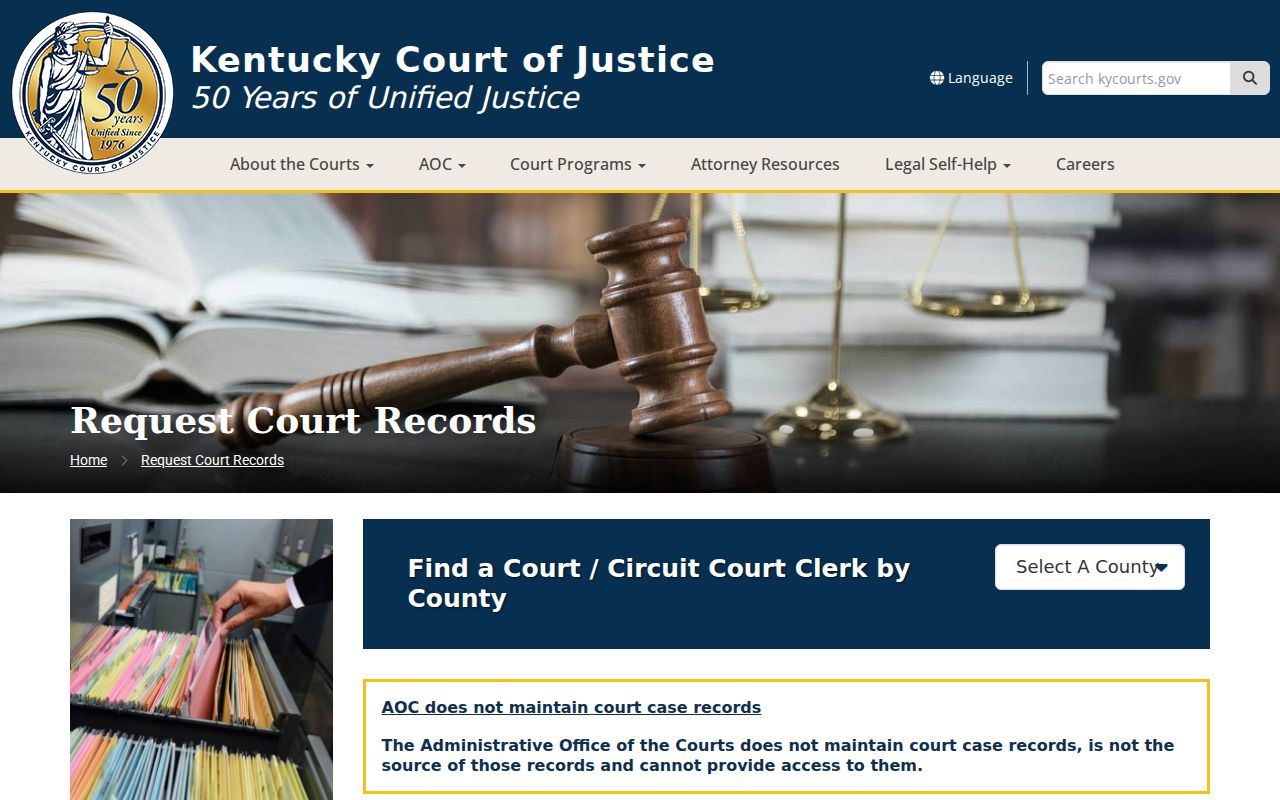
That route matters when a docket summary lacks a signed order, indictment, judgment, or other document needed to verify the outcome.
How to Search Case Records
Begin with Kentucky's public case information, then move to the clerk when the question requires the actual file. CourtNet 2.0 contains public court case information from all 120 counties. Subscription plans start at $5 per month and may charge for searches beyond a plan allowance or for PDF images. The AOC also offers statewide name-based court-activity reports through FastCheck and One-Time Request, but labels those reports “Not an Official Court Record.”
- Open Kentucky Public Court Records or the appropriate CourtNet access point and select the criminal case search.
- Search by case number when known. For a name search, use enough identity detail to avoid combining people with similar names.
- Check the county, filing year, and case type. An “F” District matter and later “CR” Circuit matter may track one felony prosecution.
- Read each docket entry in date order, including charge amendments, hearings, pleas, disposition, and sentence.
- Ask the Warren Circuit Court Clerk for the file, a specific document, or a certified copy when the online entry is incomplete.
The statewide report schema provides the safest verified search and result fields to use when checking Warren County criminal court cases.
| Field | Format | Use | Warren County Check |
|---|---|---|---|
| Party name | Text | Starts a person search | Confirm identity before relying on a match |
| Case number | Local identifier | Targets one docket | Note “F” or “CR” and filing year |
| County of origin | County | Shows filing venue | Select or confirm Warren |
| Charge date | Date | Separates similar matters | Compare with citation or arrest date |
| Disposition date | Date | Locates the outcome | Verify through the signed clerk file |
Warren County Criminal Case Calendar
The local judiciary publishes a detailed Division V criminal schedule. In-custody matters appear on designated Mondays, with separate times for sentencing and out-of-custody defendants. The calendar also identifies an interpreter docket, probation violation and revocation settings, and show-cause hearings. This schedule is useful for interpreting docket labels and planning a records inquiry, but it is not a substitute for the entry in one case.
Settings can move. Confirm the current event with the clerk by case number. A calendar label shows why the matter was set before the court; the later docket entry and signed order show whether the hearing occurred and what the judge decided.
Reading Warren County Court Results
An AOC result lists the county of origin, case number, original charge, amendments, disposition, charge date, disposition date, and any clerk memo. “Original charge” is the first filed accusation. An amendment shows that the charge changed. “Disposition” means the court's recorded outcome, such as a conviction, dismissal, acquittal, or other resolution. It should never be guessed from a hearing label or an arrest charge.
Corrections depend on the source of the error. The AOC Records Unit can address some statewide report issues, while the Warren clerk must resolve errors in the originating case file. The signed local record controls. A background summary cannot replace it. If an online result and a court paper disagree, provide the clerk with the case number and identify the disputed docket entry or document.
What the Case File Shows
The complete Warren County criminal case file can hold far more than a statewide result. Depending on the matter, it may include citations, complaints, an indictment, motions, evidence filings, docket sheets, hearing records, transcripts, plea papers, and signed orders. The most useful document depends on the question: the indictment identifies the formal felony charge, the docket provides chronology, and the judgment records the court's final adjudication.
| Case Number & Court | Identifies the filing year, case type, division, and whether District or Circuit Court holds the matter. |
|---|---|
| Charging Document | Shows the allegation formally placed before the court, such as a citation, complaint, or indictment. |
| Docket Entries | List filings, appearances, continuances, motions, hearings, and orders in chronological sequence. |
| Hearing Dates | Record scheduled and completed court events, but a setting alone does not establish an outcome. |
| Disposition & Judgment | State how the charge ended and provide the signed court determination. |
| Sentence & Conditions | Set incarceration, probation, fines, treatment, or other court-ordered terms when imposed. |
Ask for the narrowest document that answers the question. A certified judgment may be enough to prove a disposition, while a dispute about charge history may require the indictment, docket sheet, amendment, and final order together.
Archived Warren County Criminal Files
An older case may not be at the public counter. The Warren court page says a file can remain in the clerk's office, move to a records facility, or be destroyed under judiciary retention schedules. If an accessible file has moved, ask the clerk for both its case number and file-locator number plus the name of the facility holding it. An empty online search does not settle the question.
The official record-request source illustrates the statewide clerk process, while Warren County's local page supplies the important storage caveat. Describe the case as precisely as possible, including party name, approximate year, court level, and known case type. That detail helps staff distinguish a District “F” file from a later Circuit “CR” prosecution and determine whether retrieval is possible.
The Kentucky legal forms library also hosts official court forms, including expungement materials.
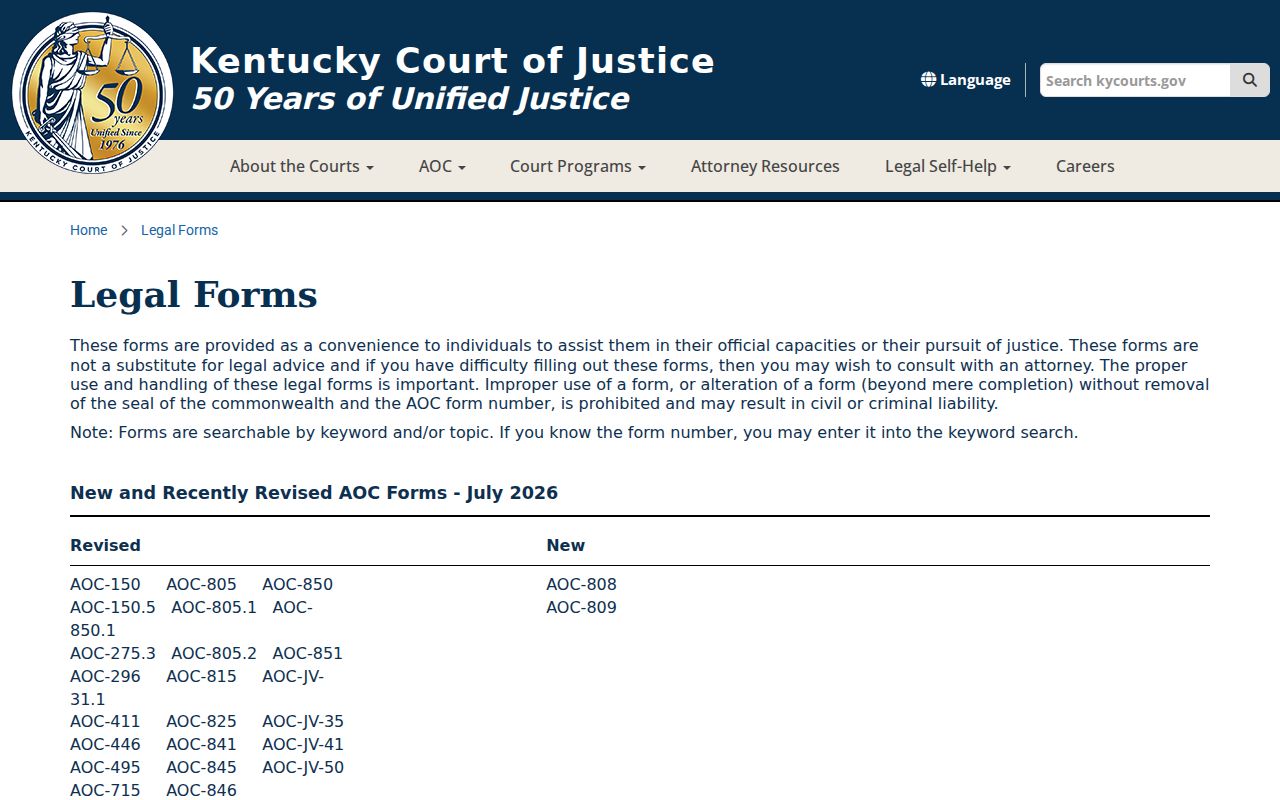
Forms help frame a filing, but the clerk's copy of the entered order proves what the Warren County court actually decided.
Stages of a Criminal Case
A Warren County felony often starts with an arrest or citation, booking when custody occurs, and preliminary processing in District Court. The prosecutor then decides what charge to pursue. An indictment shifts the felony case to Circuit Court, where arraignment, discovery, motions, plea talks, or trial lead toward disposition and, after a conviction, sentencing. Misdemeanors generally remain in District Court.
Case flow: Charges Filed › Arraignment › Pretrial › Plea or Trial › Disposition › Sentencing
No fixed timeline applies to every prosecution. Custody status, motions, discovery, competency questions, trial scheduling, and continuances can change the pace. Use dated docket entries rather than estimating an outcome from the arrest date.
Warren County Drug Court Records
Warren Drug Court operates within Kentucky's specialty-court structure. Participation and treatment events may create docket entries, yet the public case file remains the place to confirm referral orders and the final result.
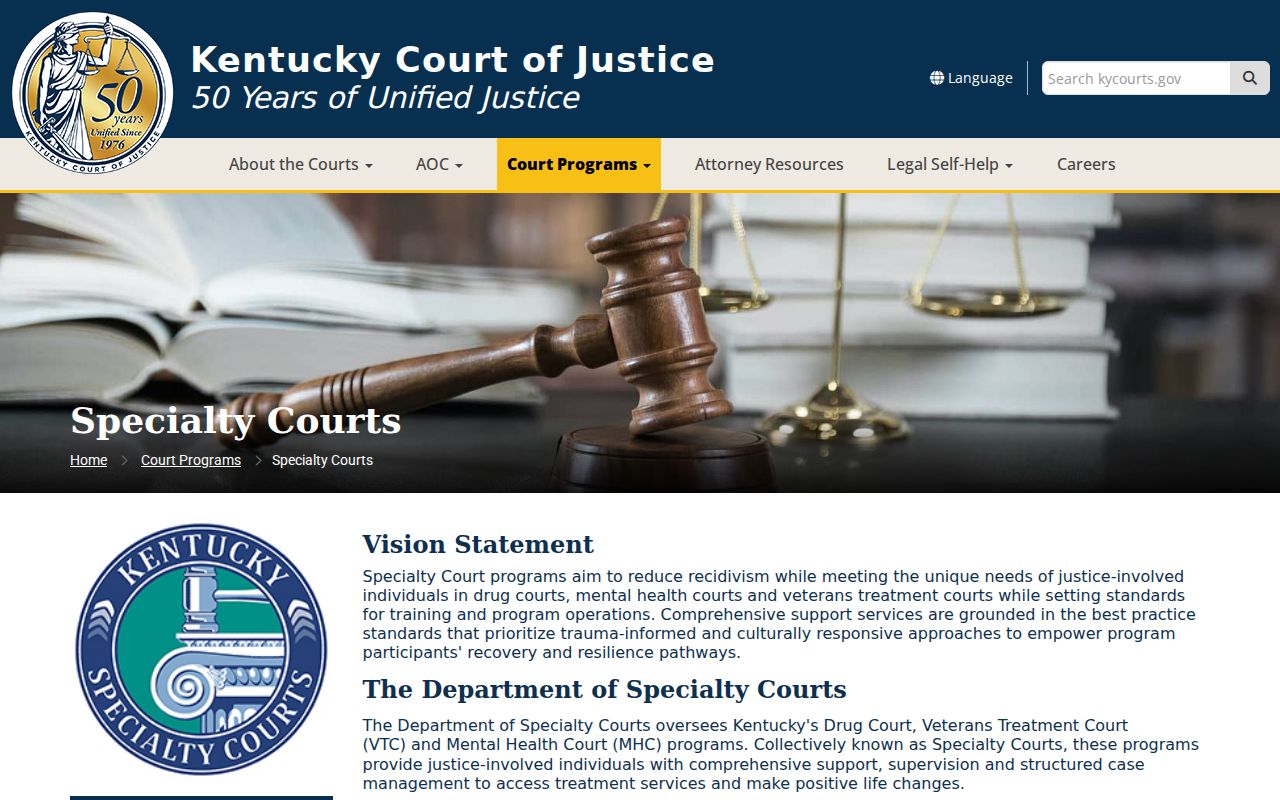
The specialty-court source supplies program context; it does not replace the Warren clerk's record of a participant's case.
Warren County Federal Court Cases
Federal crimes use a different system. Bowling Green is a division of the Western District of Kentucky, and the federal courthouse location page identifies that local federal venue.
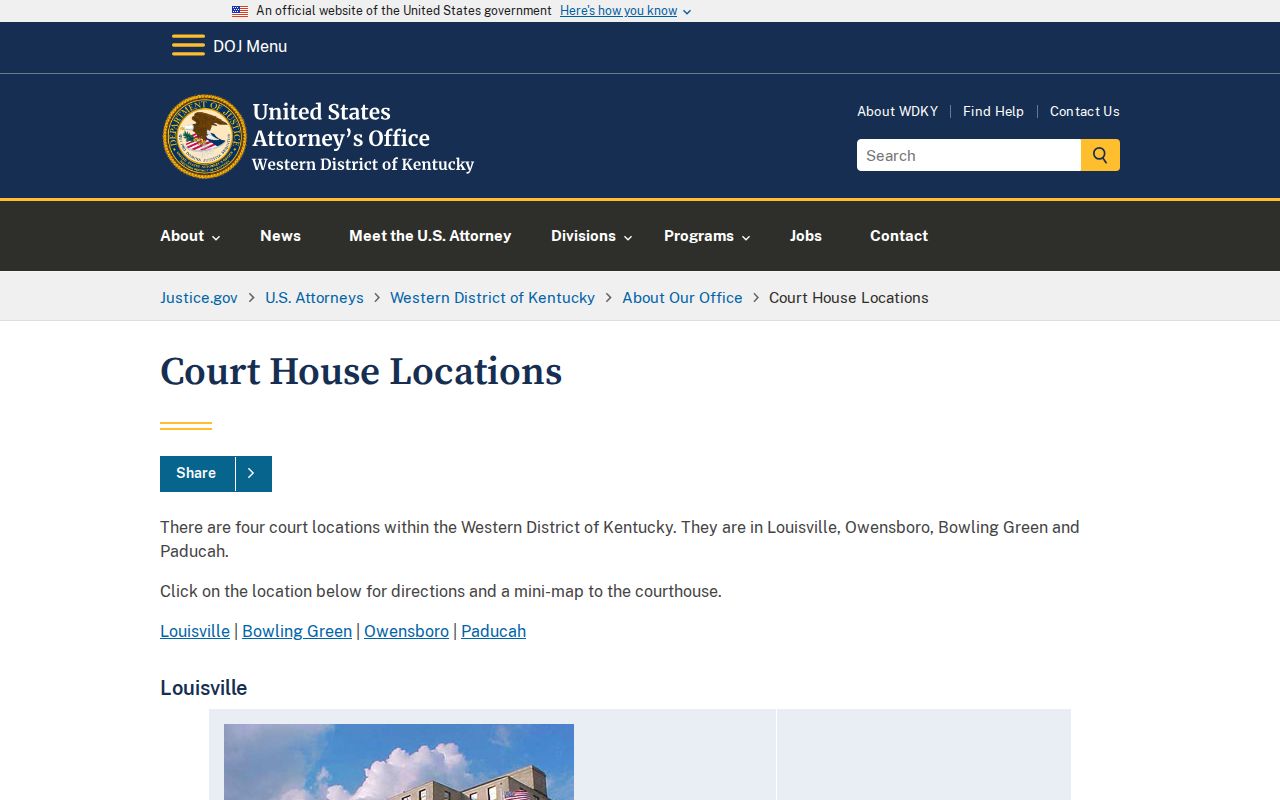
Search federal dockets through PACER, not Warren CourtNet.
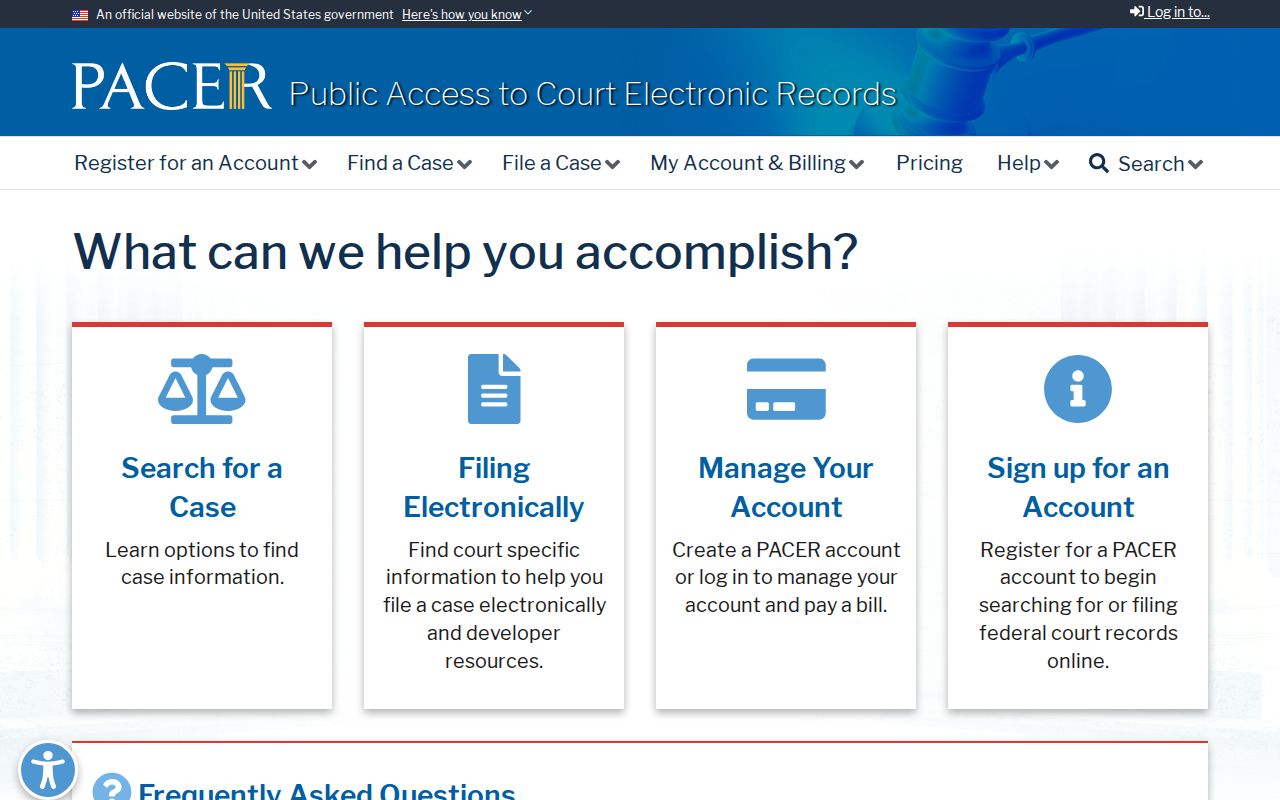
PACER follows the federal case, while county court tools follow Kentucky District and Circuit matters. Keep the venue and docket systems separate even when both proceedings have a Bowling Green connection.
Warren County Federal Custody Records
If a federal sentence leads to Bureau of Prisons custody, the official BOP Inmate Locator answers custody questions rather than case-file questions.
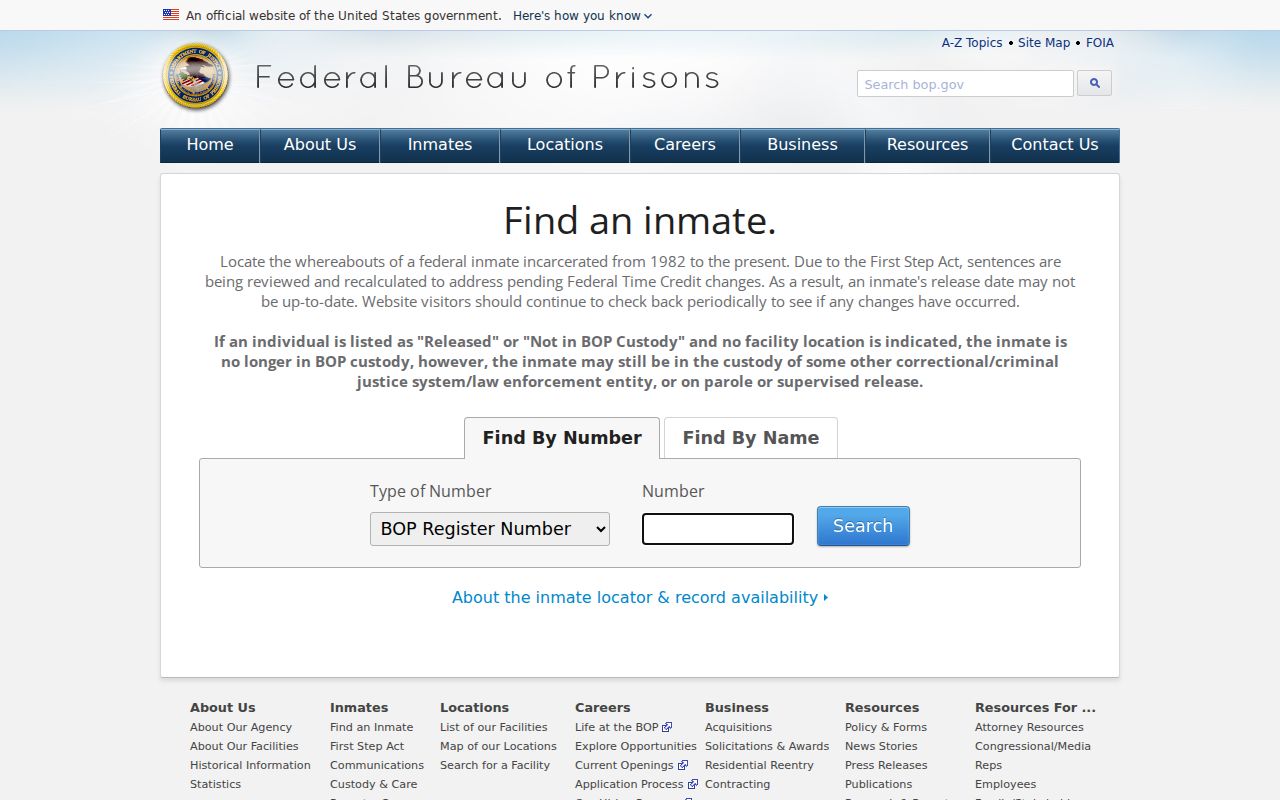
The locator confirms federal custody information; the judgment and docket remain in the federal court record.
Access & Restrictions
Kentucky directs requests for court cases to the court clerk rather than through a county-agency request under the Kentucky Open Records Act. Public access does not mean every record appears online. Juvenile, mental-health, and domestic-violence matters are omitted from the AOC criminal report, and confidential data may be withheld or redacted. Expunged or locally purged cases also do not appear in that report.
A dismissal alone should not be confused with immediate erasure in every circumstance. Kentucky provides automatic expungement for qualifying dismissals with prejudice and acquittals on or after July 15, 2020 after a 30-day period, excluding traffic matters. Other relief follows specific statutes and forms. When a Warren County criminal case cannot be found, ask the clerk whether it is confidential, expunged, transferred, retained only off-site, or destroyed under schedule rather than assuming no case ever existed.